
What Causes Mould Growth in UK Homes?
Mould Growth issues are common in UK homes, affecting both property value and residents’ health. Understanding the factors that contribute to mould formation can help homeowners prevent damage and maintain a safe living environment. We explore the causes of mould in homes, common problem areas, and practical steps for mould prevention and remediation.
How Damp and Condensation Fuel Mould Growth
One of the leading contributors to this is excess moisture, often caused by damp and condensation in UK homes. Condensation occurs when warm, moist air meets cooler surfaces, creating tiny water droplets that settle on walls, windows, and ceilings. Over time, these damp areas provide an ideal environment for mould to thrive.
Home damp problems can also result from structural issues such as leaking roofs, damaged pipes, or poor insulation. Without addressing these moisture sources, even regular cleaning may not stop mould from returning.
Identifying Common Indoor Mould Causes
Indoor mould causes vary depending on household habits, ventilation, and environmental conditions. Poor airflow, high humidity, and a lack of heating in certain rooms can increase the likelihood of black mould in houses. Kitchens, bathrooms, and basements are particularly vulnerable due to consistent exposure to moisture.
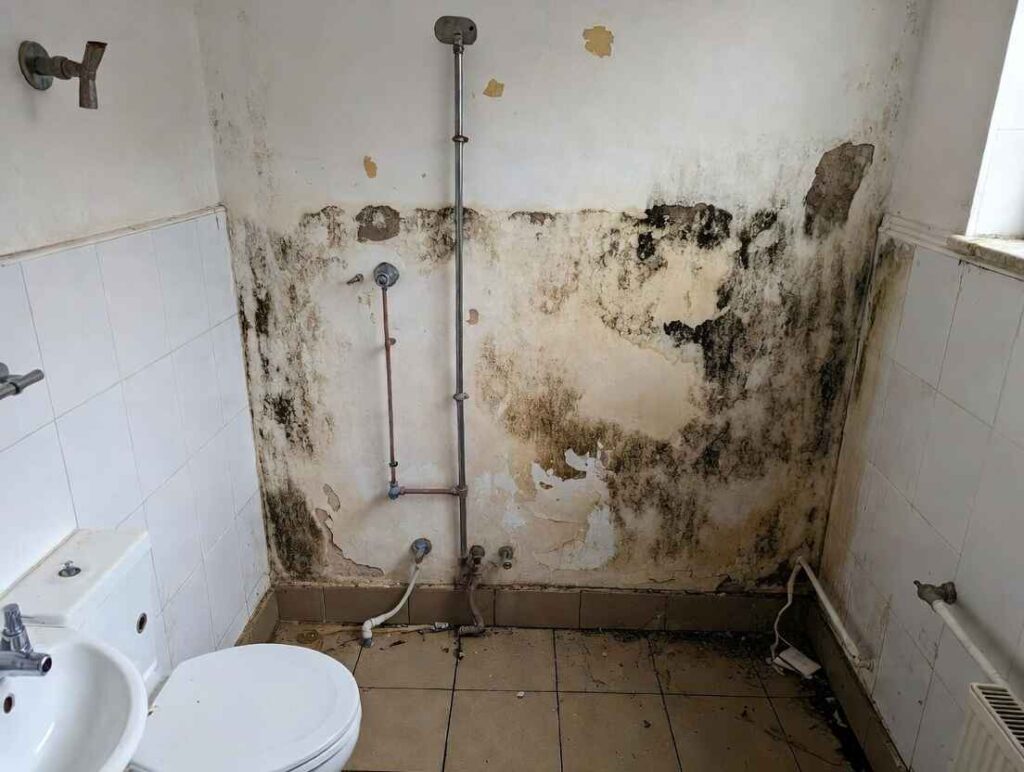
Other indoor mould causes include:
- Water leaks behind walls or under floors
- Faulty plumbing or overflowing appliances
- Blocked gutters and drainage systems
- Recognizing these triggers early allows homeowners to implement effective mould prevention tips before significant damage occurs.
Understanding Black Mould in Houses and Its Risks
Black mould in houses is a specific type of mould that thrives in damp, dark conditions. It can cause serious health issues, including respiratory problems, allergies, and irritation of the skin or eyes. While not all mould is black, any visible growth should be taken seriously and addressed promptly.
Why Immediate Black Mould Treatment Is Important
- UK mould specialists advise quick treatment to stop black mould spreading
- Professional removal eliminates existing mould safely
- Controlling humidity and fixing leaks helps prevent regrowth
How Moisture Damage in Homes Accelerates Mould Growth
Moisture damage in homes significantly increases the risk of persistent. Water seepage from broken pipes, flooding, or structural leaks can weaken building materials, making them more susceptible to mould colonisation. Even minor leaks left untreated can create hotspots where mould can rapidly develop.
Addressing moisture damage quickly is essential. Simple measures such as drying wet carpets, repairing plumbing, and insulating walls can prevent long-term issues. For severe cases, professional damp and mould UK services may be required to fully remediate the property.
Practical Mould Prevention Tips for UK Homeowners
Preventing mould growth requires a combination of good maintenance and lifestyle habits. Here are some effective mould prevention tips:
- Improve ventilation: Use extractor fans in bathrooms and kitchens, and open windows when possible.
- Control humidity: Maintain indoor humidity below 60% using dehumidifiers or central heating.
- Fix leaks promptly: Inspect roofs, gutters, and plumbing regularly.
- Insulate properly: Proper wall and roof insulation can reduce condensation.
- Regular cleaning: Wipe down damp surfaces and treat affected areas with mild fungicidal solutions.
By following these strategies, homeowners can reduce indoor mould causes and limit the impact of condensation and damp.
When to Seek Professional Mould Remediation UK
While minor mould issues can be handled with cleaning and prevention measures, extensive growth requires professional intervention. Mould remediation UK services assess the severity of the problem, remove contaminated materials safely, and treat the property to prevent recurrence.
Homeowners dealing with black mould in houses or persistent damp should not delay contacting specialists. Prompt action protects both property and health.
FAQ
Can mould growth happen in new homes?
Yes, even new homes can experience mould growth due to condensation, poor ventilation, or building defects.
How quickly does mould develop in damp areas?
Mould can start forming within 24–48 hours in areas with consistent moisture.
Are DIY mould treatments effective?
DIY solutions can manage small patches, but professional mould remediation UK services are recommended for severe infestations.
Can I remove mould myself?
Small patches can often be treated with mould removers and improved airflow. Large infestations may require professional remediation.
Is mould covered by home insurance?
Many policies only cover sudden water damage, not long-term condensation or maintenance issues. Check your policy for details.
Conclusion
Mould growth in UK homes results from a combination of moisture, poor ventilation, structural weaknesses, and everyday habits. Recognising the signs early and implementing effective prevention measures can protect both your home and your health.
For expert advice and solutions to control mould growth, contact MouldWise today and safeguard your property from damp and mould issues.