
Concealed mould can pose serious health risks and cause significant damage to your property if left undetected. Unlike visible mould patches, it often grows behind walls, under floors, or inside ceilings, making it hard to detect. Recognising this silent invader is essential for homeowners, landlords, and tenants alike.
What Is Hidden Mould?
Concealed Mould refers to mould growth that occurs in areas not immediately visible. It thrives in damp areas, poorly ventilated, and dark spaces. Common locations include behind wallpaper, under carpets, inside air ducts, and within roof spaces. Because concealed mould often goes unnoticed, it can worsen over time, leading to moisture damage, mould infestation, and potential health concerns such as allergies, respiratory issues, and headaches caused by mould spores. Proper mould remediation and monitoring of indoor air quality are essential to prevent these problems.
Common Signs of Concealed Mould
Musty Odours:
Even if mould isn’t visible, there are subtle signs that can indicate its presence: A persistent, earthy smell is often a telltale sign of hidden mould. It usually intensifies in damp areas such as basements or bathrooms.
Water Damage or Stains:
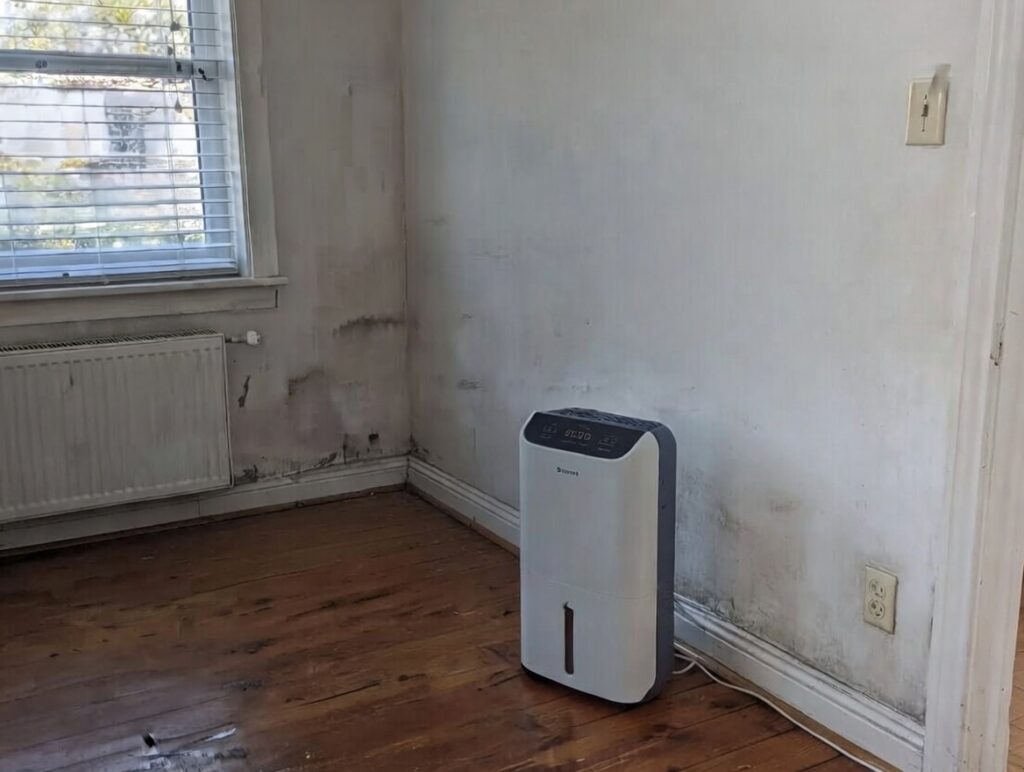
Discolouration on walls, ceilings, or floors can indicate water leaks, which create the perfect environment for mould growth.
Condensation and Damp Spots:
Frequent condensation on windows or walls and areas that stay damp for long periods are high-risk zones for concealed mould growth.
Health Symptoms:
Unexplained allergic reactions, persistent coughing, or worsening asthma symptoms may be linked to concealed mould in your home, caused by damp areas or airborne mould spores.
Peeling Paint or Wallpaper:
Moisture trapped behind walls can cause paint to bubble or wallpaper to peel, indicating potential mould growth beneath the surface.
If you notice any of these signs, arranging a professional Mould Inspection & Testing is a proactive step to accurately detect and assess the severity of the mould in your property.
Tools and Techniques to Detect Hidden Mould
Detecting concealed mould requires a combination of visual inspections, moisture measurements, and professional expertise.
Moisture Meters and Hygrometers: These tools help identify areas with high moisture levels where mould is likely to grow.
Infrared Cameras: Used to detect temperature variations behind walls and under floors, revealing potential damp zones.
Borescope Inspection: A small camera is inserted into walls or ceilings to visually inspect areas that are otherwise inaccessible.
Air Quality Testing: Sampling air for mould spores can help confirm the presence of hidden mould, even when it isn’t visible.
While DIY inspections can provide clues, professional testing ensures accurate identification and prevents the spread of mould during removal.
Preventing Covered Mould in Your Home
Prevention is always better than a cure. Maintaining low humidity levels, proper ventilation, and dry conditions is key to stopping the growth of concealed mould. Regular inspections and addressing moisture issues promptly can prevent mould infestation, protect indoor air quality, and reduce the risk of health problems caused by mould spores.
- Control Moisture: Repair leaks promptly and use dehumidifiers in areas prone to dampness.
- Improve Ventilation: Ensure bathrooms, kitchens, and basements are properly ventilated to reduce condensation.
- Regular Inspections: Periodically check hidden areas such as under sinks, behind appliances, and roof spaces for early signs of mould.
- Professional Damp Treatment: Services like Damp & Condensation Treatment can effectively manage humidity issues before mould becomes a problem.
When to Seek Professional Help
If concealed mould is suspected, it’s important not to delay professional intervention. Attempting to remove mould without proper training can worsen contamination or release harmful mould spores into the air. Certified mould removal specialists assess the situation and implement safe remediation techniques to protect both your health and property.
Professional mould removal services address not just the visible mould but also the root cause, such as leaks or poor ventilation, ensuring long-term prevention. Whether you need black mould removal or general remediation, qualified experts provide peace of mind and a safer living environment.
FAQs
What causes covered mould in homes?
Covered mould often develops in areas with excess moisture, poor ventilation, or water damage, including behind walls, under flooring, and inside ceilings.
How can I detect concealed mould without tearing down walls?
Look for signs such as musty odours, peeling wallpaper, damp spots, or use moisture meters and professional inspection services to identify mould growth early.
Is concealed mould dangerous?
Yes. Exposure can trigger allergic reactions, asthma, respiratory issues, and in severe cases, long-term health complications from mould spores.
Can I remove concealed mould myself?
DIY methods are risky for mould infestations. Professional remediation ensures safe removal and prevents spores from spreading.
How can I prevent concealed mould?
Control moisture, ventilate your home, fix leaks, and schedule inspections. Professional damp treatment and air quality management help too.
Conclusion
Concealed mould can silently damage your home and impact your health. Detecting signs early and arranging a professional inspection is crucial. Contact MouldWise today for expert detection and safe removal. Protect your home and health from hidden mould. Schedule a professional inspection with Mould Wise today and ensure your property is safe and free from mould.