
Finding dark spots on your grout or a musty smell under the kitchen sink is more than just a cleaning headache. It is a sign that fungi are making themselves at home. Since these areas are the primary “wet zones” of any property, mould in bathrooms and kitchens is an incredibly common issue that requires a proactive strategy to manage.
If you are already dealing with a persistent breakout that seems beyond DIY methods, you may need Professional Mould Removal & Remediation to ensure your air quality is restored and the spores are neutralized at the source.
Why Mould Loves Your Kitchen and Bathroom
Mould requires three things to thrive: moisture, warmth, and organic material (like dust, drywall, or soap scum).
- High Humidity: Steam from showers and boiling pots creates the perfect breeding ground.
- Poor Ventilation: Without airflow, dampness lingers on surfaces.
- Hidden Leaks: Small drips behind cabinets can cause extensive damage before they are even noticed.
5 Expert Tips to Prevent Mould in Bathrooms
The bathroom is often the most humid room in the house. To effectively stop mould in toilets, you need to focus on moisture extraction.
Master the Ventilation
Always run your exhaust fan during your shower and for at least 20 to 30 minutes afterward. If you don’t have a fan, keep the window cracked. This simple habit is the single most effective way to reduce the risk of mould in bathrooms.
Squeegee After Every Use
It might feel like a chore, but wiping down shower walls and glass with a squeegee removes up to 80% of the moisture that would otherwise evaporate into the air or sit in grout lines, leading to mold in bathrooms.
Wash Your Bath Mats
Damp fabric is a haven for spores. Wash your bath mats weekly and ensure they dry completely between uses. Avoid leaving damp towels in a heap on the floor.
Seal Your Grout
Porous grout absorbs water. Applying a high-quality grout sealer once a year creates a waterproof barrier, making it much harder for mould in bathrooms to take root in the crevices of your tiling.
Check the Toilet Base and Tank
Condensation often forms on the outside of toilet tanks in the summer. Wipe this down regularly to prevent puddles from forming at the base, which can rot the flooring and invite fungi.
Keeping the Kitchen Spore-Free
While bathroom mould growth is the most frequent complaint, the kitchen presents its own set of challenges, often hidden behind appliances.
Manage Cooking Steam
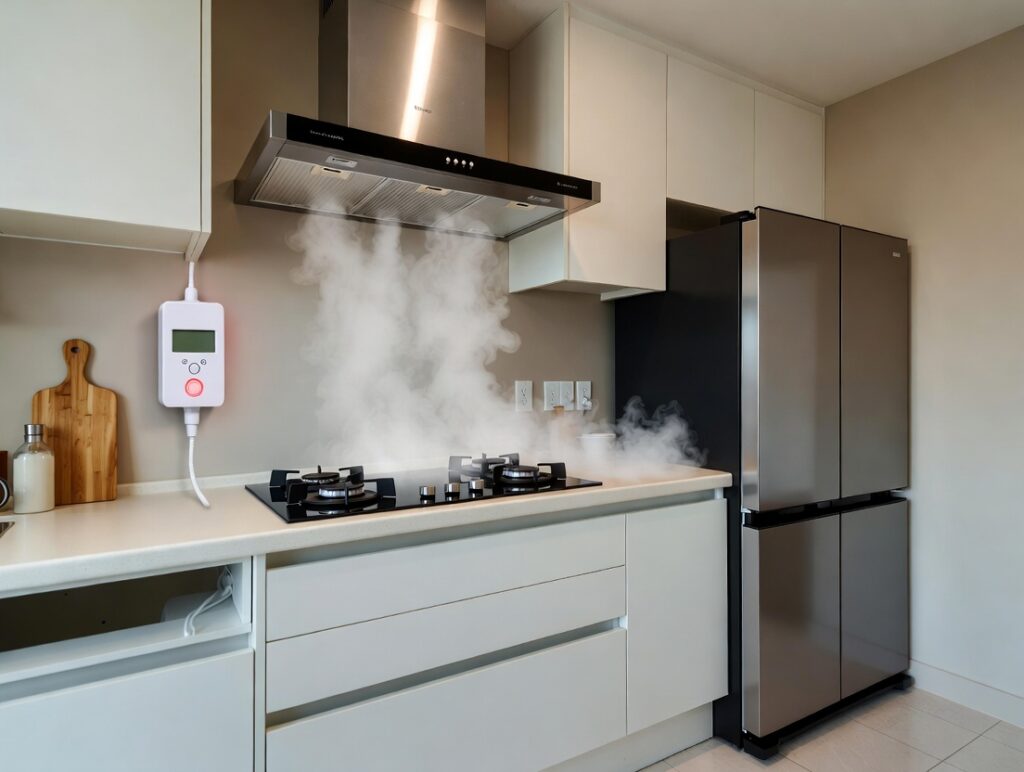
Always use your range hood/extractor fan when boiling water or frying. If your fan only recirculates air rather than venting it outside, make sure to clean the grease filters monthly to maintain efficiency.
Inspect Under the Sink
Check for slow leaks in the P-trap or around the garbage disposal. Place a leak-detection alarm under the sink for peace of mind. Since these areas are dark and rarely disturbed, they are prime real estate for growth.
Clean the Refrigerator Drip Tray
Many people forget that fridges have a “drip tray” at the bottom to collect condensation. If left uncleaned, this becomes a stagnant pool of organic matter.
Better Indoor Air Quality
To maintain a healthy home, consider these trending home maintenance factors:
- Dehumidifier Benefits: Keeping indoor humidity below 50% is the “gold standard” for prevention.
- Anti-Mould Paint: Use specialized paints in high-moisture areas to inhibit surface growth.
- Condensation Control: Proper insulation on windows can prevent water beads from forming during winter.
FAQ’s
How long does it take for mould to grow?
Under the right conditions (high humidity and warmth), mould can begin to colonize on a surface within 24 to 48 hours.
Does vinegar kill mould?
Yes, white distilled vinegar contains acetic acid, which can kill approximately 82% of mould species. It is a safer alternative to bleach for porous surfaces.
Why does mould in bathrooms keep coming back?
If it keeps returning, the moisture problem hasn’t been solved. You may have a leak behind the wall or insufficient ventilation that keeps the ambient humidity too high.
Can I paint over mould?
Never. Painting over it only hides the problem. The fungi will continue to eat the drywall or wood underneath, eventually causing the paint to bubble and peel.
Is it safe to clean mould myself?
Small patches are generally safe for DIY cleaning with vinegar. However, if the area is larger than one square meter, hire a professional to avoid breathing in toxic spores
Conclusion
Preventing mould in bathrooms and kitchens isn’t about one-time deep cleans; it’s about controlling moisture. Proper ventilation, quick leak repairs, and dry surfaces help protect both your home and your health. A persistent musty smell often means mould is hiding and needs attention.
If the affected area is larger than 10 square feet or you’re experiencing respiratory issues, don’t try to clean it yourself this can release millions of spores into the air. Instead, contact Mould Wise for a professional assessment and safe mould removal.