
A fuzzy green or black patch in your bathroom or behind a wardrobe is enough to make any homeowner panic. Your first instinct is likely to grab whatever is under the kitchen sink and start scrubbing. However, when it comes to DIY mould prevention, there is a massive difference between cleaning a surface and actually stopping a fungal invasion.
Why Surface Cleaning Isn’t Always Enough
Most people treat mould like a stain. In reality, mould is a biological organism that spreads via microscopic spores. If you only clean what you can see, you are likely leaving the root system and the hyphae completely intact. This is why many “miracle cures” fail within a week.
Expert Insight
Mould requires three things to thrive: moisture, a food source (like drywall or dust), and stagnant air. DIY mould prevention is more about managing your environment than it is about the right cleaning spray.
What Actually Works for DIY Mould Prevention
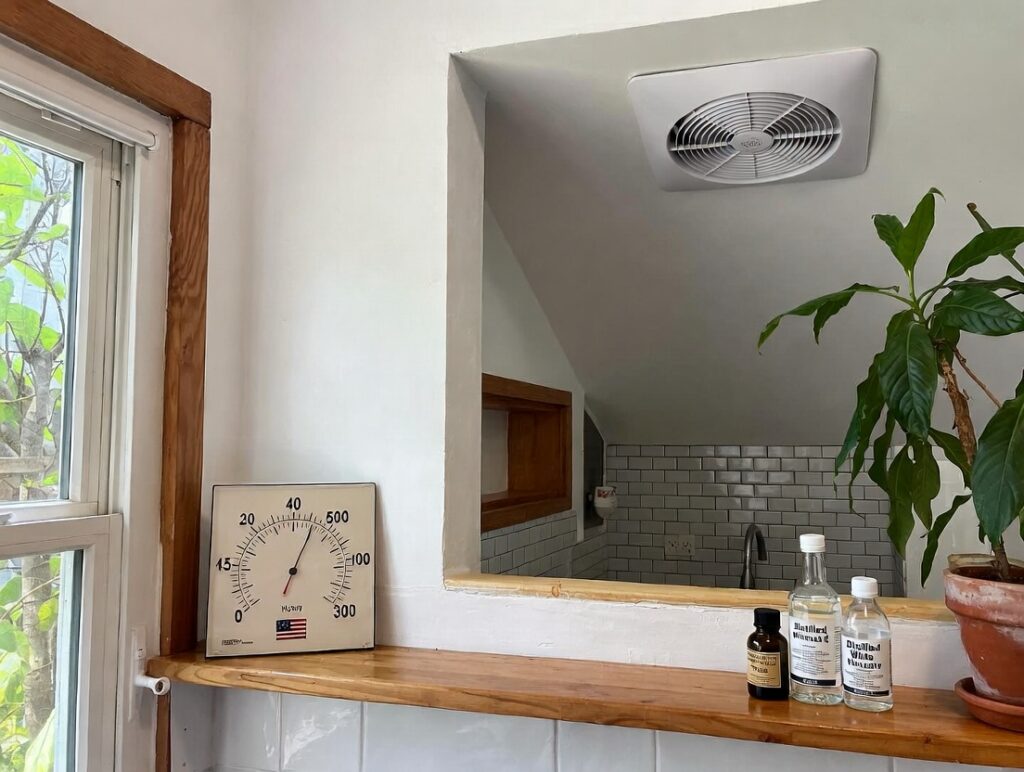
If you are looking for effective ways to keep your home spore-free, focus on these proven methods.
Humidity Control
Mould cannot grow if the environment is too dry. Keeping your indoor humidity levels between 30% and 50% is the single most effective step you can take. Use a hygrometer to monitor levels and run a dehumidifier in damp basements or laundry rooms.
Strategic Ventilation
Stale air is a playground for spores. Ensure your bathroom and kitchen exhaust fans are not just installed, but actually used. Leave them running for at least 20 minutes after showering or cooking to clear out lingering steam.
Natural Antimicrobials
While many reach for bleach, natural alternatives often work better on porous surfaces:
- Distilled White Vinegar: Its acidity kills roughly 82% of mould species and can penetrate deeper than bleach.
- Tea Tree Oil: A more expensive but highly effective antifungal.
Improving Insulation
Condensation on cold walls is a primary cause of growth. Improving insulation or using thermal leak detectors can help you identify “cold spots” where DIY mould prevention efforts should be concentrated.
What Doesn’t Work (The Myths to Avoid)
There’s a lot of misinformation about mould. Bleach only kills surface mould on non-porous materials, while on wood or drywall, it can make it worse. Painting over mould is just a temporary fix, as mould will grow underneath and damage the paint. Using a dehumidifier helps prevent new growth but won’t remove existing mould.
When to Stop DIY and Call the Experts
There is a limit to what DIY mould prevention can achieve. If you are dealing with a leak inside a wall, or if the affected area is larger than one square meter, home remedies will likely fail. In these instances, attempting a fix yourself can disturb the spores and spread them throughout your HVAC system.
If the situation has escalated beyond a simple surface scrub, you may need Professional Mould Removal & Remediation to ensure the structure of your home isn’t compromised, and your air quality is restored.
Common Areas for DIY Intervention
The Bathroom
Check your grout and silicone seals. If they are cracked, water is seeping behind the tiles. Replacing these seals is a core part.
The Kitchen
Clean the drip pans under your refrigerator and check under the sink for slow “pinhole” leaks. These tiny drips are the leading cause of hidden kitchen mould.
The Bedroom
Keep furniture a few inches away from external walls. This allows for airflow and prevents “ghosting,” where moisture becomes trapped behind wardrobes or headboards, sparking a need for DIY mould prevention.
FAQ’s
Does vinegar really kill mould?
Yes, distilled white vinegar is effective for mild cases and can penetrate porous surfaces better than bleach.
How often should I check for mould?
Perform a visual inspection of “wet zones” like bathrooms and under sinks at least once a month.
Can I use a regular vacuum on mould?
No. Standard vacuums will blow spores back into the air. Only use a vacuum with a certified HEPA filter.
Will an air purifier help?
A HEPA air purifier can capture floating spores, but it won’t remove mould already growing on a surface.
Is black mould always toxic?
Not all dark mould is “Toxic Black Mould” (Stachybotrys), but all indoor mould should be treated as a health risk.
Conclusion
Mastering DIY mould prevention is about consistency and moisture control. By keeping your humidity low, ensuring proper airflow, and using the right cleaning agents like vinegar instead of bleach, you can keep your home a healthy environment. However, remember that DIY has its limits. If the mould keeps returning despite your best efforts, it’s a sign of a deeper structural issue. For peace of mind and a permanent solution, trust the experts at Mould Wise to handle the heavy lifting. Contact us today for a comprehensive assessment!