
Mould growth is a common issue in homes and commercial buildings, especially in areas affected by moisture and poor ventilation. While many people use the word “mould” broadly, not all types pose the same level of risk. Understanding the differences can help you protect your property and health more effectively. This guide explains how Dark Mould compares to other common mould types, why it is often considered more serious, and what steps you should take if you suspect an issue.
Understanding What Mould Is and Why It Grows
Mould is a type of fungus that thrives in damp, warm environments. It reproduces through airborne spores that settle on surfaces when moisture is present. Common triggers include leaks, condensation, flooding, and inadequate airflow. Bathrooms, kitchens, basements, and poorly ventilated rooms are frequent problem areas. While some mould types are relatively harmless, others can damage building materials and impact indoor air quality over time.
What Is Black Mould and Why Does It Raise Concern
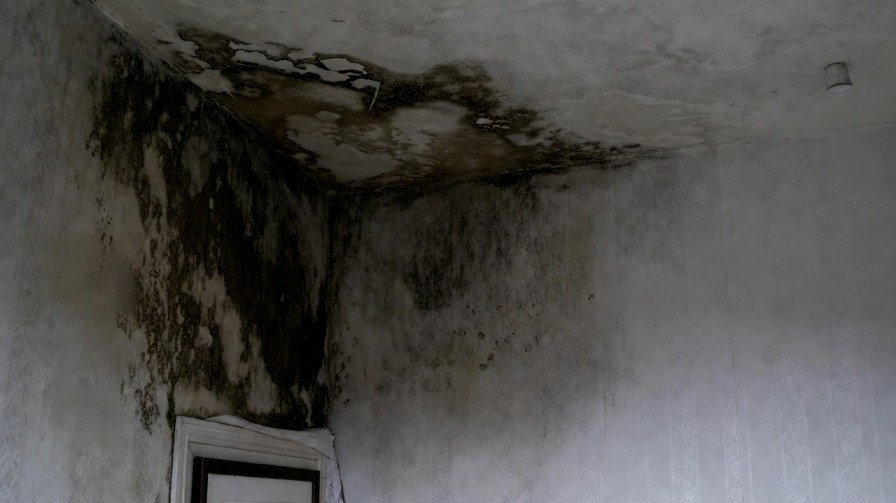
Black Mould is commonly associated with Stachybotrys chartarum, a species that grows on water-damaged materials such as drywall, wood, and insulation. It typically appears dark green or black and has a slimy texture when actively growing.
What makes this mould type more concerning is its potential to produce mycotoxins. These substances can contribute to respiratory issues, headaches, fatigue, and allergic reactions, particularly in sensitive individuals. For this reason, early identification through professional mould inspection & testing is strongly recommended when dark mould growth is suspected.
Common Household Mould Types You Should Know
Not all moulds are black or dangerous. Some of the most common household mould types include:
- Aspergillus: Often found on walls and ceilings, usually appears white, yellow, or green.
- Penicillium: Known for its blue or green colour, it commonly grows on damp furniture and carpets.
- Cladosporium: Appears brown or olive and can grow in both warm and cool areas.
These moulds may still cause allergies or asthma symptoms, but they are generally considered less toxic when managed promptly.
Key Differences Between Black Mould and Other Moulds
The primary differences lie in toxicity, growth conditions, and potential health impact. Dark Mould requires prolonged moisture exposure and often indicates an underlying water problem. Other moulds may develop more quickly and spread across a wider range of surfaces. Additionally, dark mould growth tends to penetrate materials more deeply, making removal more complex. This is why professional mould removal & remediation is often necessary rather than simple surface cleaning.
Health Risks Associated With Different Mould Types
All mould types can affect indoor air quality, but the severity of symptoms can vary. Mild mould exposure may cause sneezing, coughing, or skin irritation. Long-term exposure, however, can worsen asthma or lead to chronic respiratory problems. Dark Mould exposure is more frequently linked to persistent symptoms due to mycotoxin production. Infants, elderly individuals, and those with weakened immune systems are particularly vulnerable. Addressing damp and condensation treatment issues early can significantly reduce these risks.
How to Identify Mould Correctly in Your Property
Visual inspection alone is not always reliable. Different mould types can look similar, especially in low light or hidden areas. A musty odour, peeling paint, or recurring condensation are often early warning signs. Professional testing can confirm the mould type and extent of contamination. This is especially important before attempting any form of dark mould removal, as improper handling may spread spores further.
Effective Treatment and Prevention Methods
Treatment depends on the mould type, severity, and underlying cause. Surface mould may be removed with appropriate cleaning solutions, but deeper infestations require specialist equipment and containment.
Preventative steps include fixing leaks, improving ventilation, using dehumidifiers, and maintaining consistent indoor temperatures. For rental properties, mould removal for landlords & letting agents ensures compliance with health and safety standards while protecting tenants.
When Professional Help Becomes Essential
DIY methods are rarely sufficient for extensive infestations. If mould keeps returning or covers large areas, professional intervention is crucial. Specialists not only remove the visible growth but also address the moisture source to prevent recurrence. In cases involving Dark Mould, expert handling is especially important due to potential health risks and structural damage.
Final Thoughts on Choosing the Right Solution
Understanding the difference between common moulds and DarkMould allows property owners to act decisively and responsibly. Early detection, accurate identification, and professional support can save time, money, and long-term health complications.
Frequently Asked Questions
Is black mould always dangerous?
Not always, but it carries a higher risk due to potential toxin production and should be assessed professionally.
Can other mould types turn into black mould?
No, mould types do not change species, but conditions that support dark mould growth can also allow other moulds to thrive.
Does ventilation really prevent mould growth?
Yes, proper airflow reduces moisture buildup, making environments less suitable for mould development.
Can dark mould damage the structure of a property?
Yes. Dark mould often grows on materials like drywall and wood, which can weaken over time if moisture problems remain untreated.
Is it safe to clean mould without professional help?
Small surface mould may be manageable, but black mould or widespread growth should always be handled by professionals to avoid health risks and spore spread.
Conclusion
Black mould is often more than just a surface issue; it can indicate serious moisture problems and pose higher health risks than other mould types. Identifying the mould correctly and acting early is key to protecting your property and indoor air quality.
Protect your home and health from Dark mould. Schedule a professional inspection with Mould Wise today and now ensure your property is safe and free from mould.