Maintaining a healthy and comfortable home goes beyond cleanliness and décor. One of the most overlooked factors that can significantly impact indoor air quality is indoor humidity. Excess moisture in the air can create an ideal environment for mould growth, which in turn can lead to health problems and structural damage. Understanding how indoor humidity levels contribute to mould is crucial for every homeowner, tenant, and property manager.
Understanding Indoor Humidity
Indoor humidity refers to the amount of water vapor in your home’s air. For ideal comfort and health, keep it between 30% and 50%. If it’s too high, mold grows; if too low, it causes dry skin and respiratory issues. Balancing it ensures a healthy living environment.
What Is Indoor Humidity
Indoor humidity refers to the amount of water vapor present in the air inside your home. It is usually measured as a percentage, called relative humidity (RH). When the air contains a high percentage of moisture, it feels damp, while low humidity levels can make the air feel dry. Maintaining an optimal indoor moisture level is essential for comfort, health, and protecting your property.
Ideal Humidity Levels
Experts generally recommend keeping home humidity between 30% and 50%. When humidity rises above this range, it can cause condensation on walls, windows, and other surfaces, creating conditions conducive to mould growth. On the other hand, humidity levels below 30% can lead to dry skin, irritation in the respiratory system, and increased susceptibility to colds. Balancing indoor moisture is key to a safe and comfortable living space through Damp & Condensation Treatment.
How Humidity Promotes Mould Growth
High humidity promotes mold growth by providing the moisture fungi need to thrive. When indoor humidity exceeds 60%, water vapor condenses on surfaces like walls and ceilings. This dampness, combined with organic materials like wood or drywall, creates the perfect breeding ground for mold spores to multiply rapidly.
Moisture and Mould
Mould is a type of fungus that thrives in damp environments. Indoor dampness directly influences moisture levels in your home. When humidity is consistently high, surfaces like walls, ceilings, and floors may stay damp for prolonged periods, giving mould spores the perfect conditions to germinate and grow. Even small amounts of trapped moisture can eventually result in visible mould patches.
Temperature and Humidity
Temperature also plays a role in mould development. Warm, humid environments accelerate the growth of mould. This is why mould problems are often more noticeable in areas like kitchens, bathrooms, basements, and attics, where humidity tends to be higher. Understanding the link between temperature, moisture, and home humidity can help in preventing mould before it spreads.
Signs of High Indoor Humidity
High indoor humidity shows visible signs that your home is trapping too much moisture. Look for condensation on windows, musty odors, and peeling wallpaper. You might also notice damp stains on ceilings or feel a persistent “stickiness” in the air, indicating that moisture levels are uncomfortably high.
Physical Indicators
There are several signs that your home might have excessive indoor moisture. Condensation on windows, musty odors, and peeling paint are common indicators. You may also notice that wooden furniture or flooring starts to warp or swell. These symptoms are not only signs of high moisture levels but also early warnings of potential mould infestations.
Health Symptoms
High humidity can also affect your health. People living in homes with elevated moisture levels may experience allergies, asthma flare-ups, or respiratory irritation. Mould spores released into the air can trigger sneezing, coughing, and other respiratory issues. Paying attention to both environmental and health indicators can help identify humidity problems early.
Controlling Indoor Humidity
Ventilation
Proper ventilation is one of the most effective ways to control home humidity. Using exhaust fans in bathrooms and kitchens, opening windows when the weather permits, and ensuring that vents are unobstructed can reduce moisture accumulation. Effective airflow helps in drying damp areas and preventing mould from taking hold.
Dehumidifiers and Humidifiers
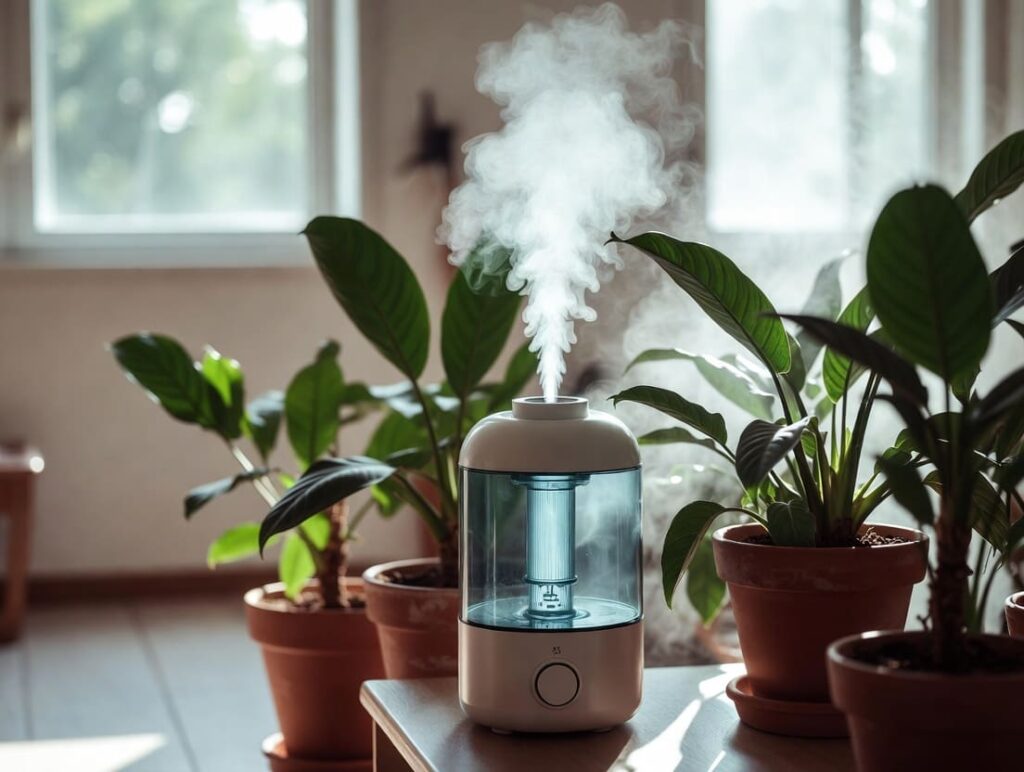
In cases where natural ventilation is insufficient, dehumidifiers can be used to lower humidity levels. Conversely, in extremely dry conditions, a humidifier may be necessary to maintain a balanced environment. Monitoring and adjusting home humidity ensures that the air stays within the ideal 30–50% range, minimizing the risk of mould growth.
Regular Home Maintenance
Regularly checking for leaks, repairing damaged roofing or plumbing, and cleaning gutters are essential steps in preventing moisture buildup. Even minor leaks can contribute to high humidity and eventual mould development. Homeowners should also inspect areas prone to dampness, such as basements, bathrooms, and around windows.
Long-Term Effects of Excess Humidity
Persistent high humidity can cause serious long-term damage to both your health and home. Over time, excess moisture weakens structural integrity by rotting wood and rusting metal fixtures. It also leads to chronic respiratory issues, allergies, and skin irritation as mold and dust mites flourish in the damp environment.
Structural Damage
Persistent high indoor dampness can lead to long-term structural issues. Wooden structures may rot, drywall can deteriorate, and paint may peel. Over time, these damages can become costly repairs if not addressed promptly. Controlling humidity is not just about comfort but also protecting the integrity of your home.
Health Implications
Exposure to mould over an extended period can have serious health consequences. People with weakened immune systems, children, and the elderly are particularly vulnerable. Maintaining optimal home humidity is a preventive measure to ensure a healthy living environment.
FAQs
What is the best indoor moisture level to prevent mould?
The ideal indoor moisture level is between 30% and 50%. Maintaining this range reduces moisture buildup and prevents mould growth.
How can I measure indoor dampness?
Indoor dampness can be measured using a hygrometer. These devices are affordable and provide accurate readings for monitoring moisture levels in your home.
Can mould grow in low-humidity conditions?
Mould growth is less likely in low humidity, but it can still occur if surfaces are wet due to leaks or condensation. Controlling both leaks and humidity is important.
Which areas of the home are most prone to mould?
Bathrooms, kitchens, basements, and attics are particularly susceptible to mould because of higher humidity and moisture accumulation.
How quickly does mould grow in high humidity?
Mould can start growing within 24 to 48 hours in damp conditions when humidity levels are high. Early intervention is crucial to prevent large infestations.
Conclusion
Understanding how indoor dampness levels contribute to mould is vital for creating a safe and comfortable home. By monitoring humidity, ensuring proper ventilation, and taking preventive maintenance steps, homeowners can reduce the risk of mould formation. Incorporating tools like dehumidifiers and regular inspections can further protect both your health and property. For reliable solutions and expert advice on controlling indoor moisture, trust Mould Wise and CleanAir Solutions to keep your home mould-free and healthy.