
Finding a dark patch of spores on your wall is never a pleasant surprise, regardless of what the calendar says. However, the “why” and “how” behind that growth change significantly as the seasons turn. Many homeowners assume mould is strictly a rainy-season problem, but the truth is more nuanced.
Whether you are dealing with damp winter chills or humid summer heat, understanding the lifecycle of fungi in your home is the first step toward a permanent solution. If you suspect a hidden issue, scheduling a professional Mould Inspection & Testing session can identify the specific spores and moisture sources unique to your property’s environment.
Seasonal Mould Comparison: At a Glance
The following table breaks down the primary drivers of fungal growth during the two extremes of the year.
| Feature | Mould in Winter | Mould in Summer |
| Primary Cause | Condensation & poor airflow | High outdoor humidity & AC leaks |
| Common Areas | Cold exterior walls, window sills | Basements, bathrooms, AC vents |
| Key Driver | Temperature differentials | Moisture-saturated air |
| Warning Signs | Water droplets on glass, peeling paint | Musty odors, “sweating” pipes |
Why Mould Thrives in Winter: The Condensation Crisis
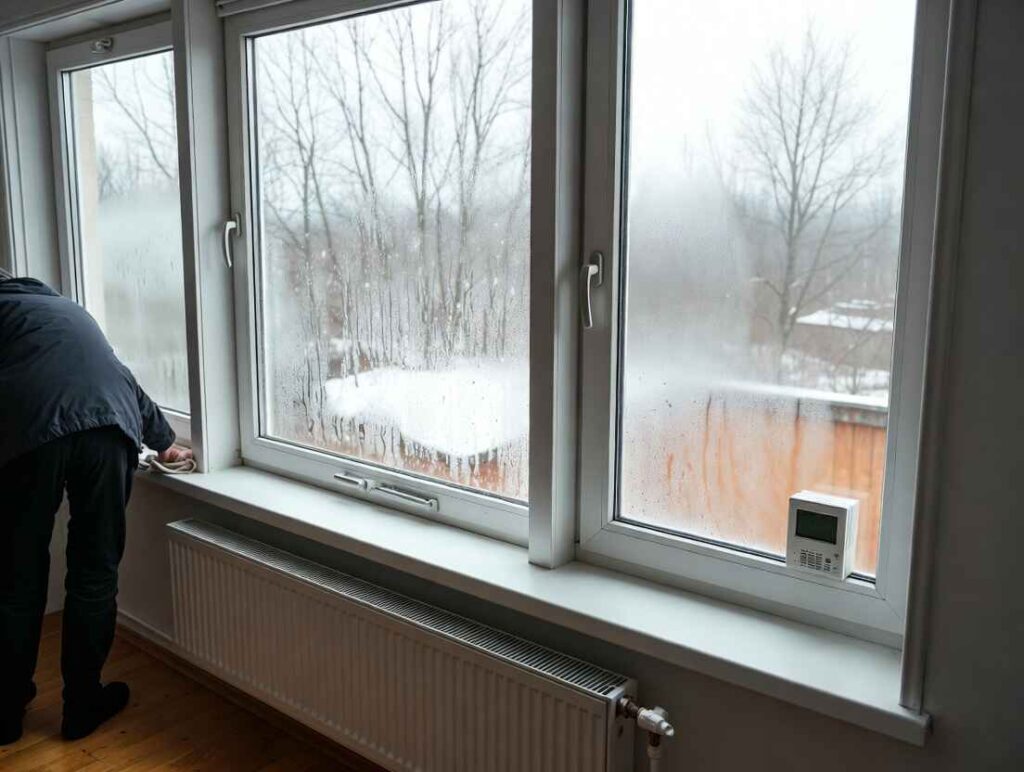
In winter, the battle against mould is almost always a battle against condensation. When we crank up the heating and seal our windows shut to keep the warmth in, we inadvertently create a greenhouse effect.
The Science of Cold Spots
When warm, moist air from cooking, showering, or even breathing hits a cold surface like an uninsulated exterior wall or a single-pane window, it reaches its “dew point.” This causes the water vapor to turn back into liquid. If this moisture isn’t dried quickly, mould will begin to colonize within 24 to 48 hours.
- Poor Ventilation: Keeping windows closed traps moisture indoors.
- Structural Bridges: Metal window frames or corners of rooms often act as “cold bridges” where condensation clusters.
- Cluttered Closets: Overstuffed wardrobes against outside walls prevent air from circulating, leading to hidden growth on clothes and shoes.
The Summer Struggle: Humidity and High Temps
While winter mould is about liquid water forming on cold surfaces, summer mould is driven by ambient humidity. When the air itself is heavy with moisture (typically above 60% relative humidity), organic materials like drywall, wood, and fabric absorb that water directly from the air.
The Role of Air Conditioning
Your AC unit is designed to dehumidify as it cools. However, if the unit is poorly maintained or improperly sized, it can actually contribute to the problem.
- Temperature Shocks: If your AC keeps your home very cold, the humid air outside can cause condensation to form inside your wall cavities.
- Drainage Clogs: Blocked condensate lines in AC units are a leading cause of localized summer mould outbreaks.
- Basement Vulnerability: Underground levels stay naturally cooler, making them a prime target for humid air to settle and feed fungal colonies.
Expert Insight: “Mould doesn’t need a massive flood to grow; it only needs a consistent source of moisture. In summer, that source is often the very air you are breathing.”
Actionable Tips for Year-Round Protection
Regardless of the season, maintaining a healthy home requires a proactive approach to moisture management.
Winter Maintenance Checklist
- Ventilate daily: Even in the cold, opening windows for 10 minutes a day creates a vital air exchange.
- Wipe down windows: Remove standing water from sills every morning to prevent sill rot.
- Maintain a steady heat: Drastic fluctuations in temperature can increase condensation; try to keep your home at a consistent, moderate warmth.
Summer Maintenance Checklist
- Monitor humidity: Use a hygrometer to ensure indoor humidity stays between 30% and 50%.
- Run dehumidifiers: In basements or laundry rooms, a dedicated dehumidifier is your best line of defense.
- Service your HVAC: Ensure your cooling system is draining properly and filters are clean.
FAQ’s
Is mould in winter vs summer more dangerous?
The health risks are similar; however, winter mould is often more visible on walls, while summer mould can hide inside AC ducts.
Can I just bleach the mould away?
Bleach often only removes the surface stain; it doesn’t kill the “roots” (hyphae) of the mould, especially on porous surfaces.
What is the ideal indoor humidity level?
To prevent mould growth, especially when comparing mould in winter vs summer, you should aim to keep your indoor relative humidity between 30% and 50%.
Does opening windows in summer help?
It depends on outdoor conditions. On humid days, opening windows can actually make mould in winter vs summer worse by letting in more moisture.
Why does mould smell more in the summer?
Higher heat and humidity accelerate fungal activity, which is why mould in winter vs summer tends to smell stronger during the warmer months.
Conclusion
The transition between seasons is the most common time for dormant spores to suddenly bloom into a full-scale problem. Whether you are dealing with winter condensation or summer humidity, understanding mould in winter vs summer can help you take timely action. Don’t wait for the musty smell to become overwhelming. At Mould Wise, we provide expert remediation and long-term prevention strategies tailored to your home’s unique environment. Contact us today for a comprehensive Mould Inspection & Testing and breathe easier knowing your home is protected year-round.